Gamification Layers Driving Repeat Submissions Across Multi-Tier Reward Platforms
Ellis Simmons · Sep 12, 2026
Gamification Layers Driving Repeat Submissions Across Multi-Tier Reward Platforms
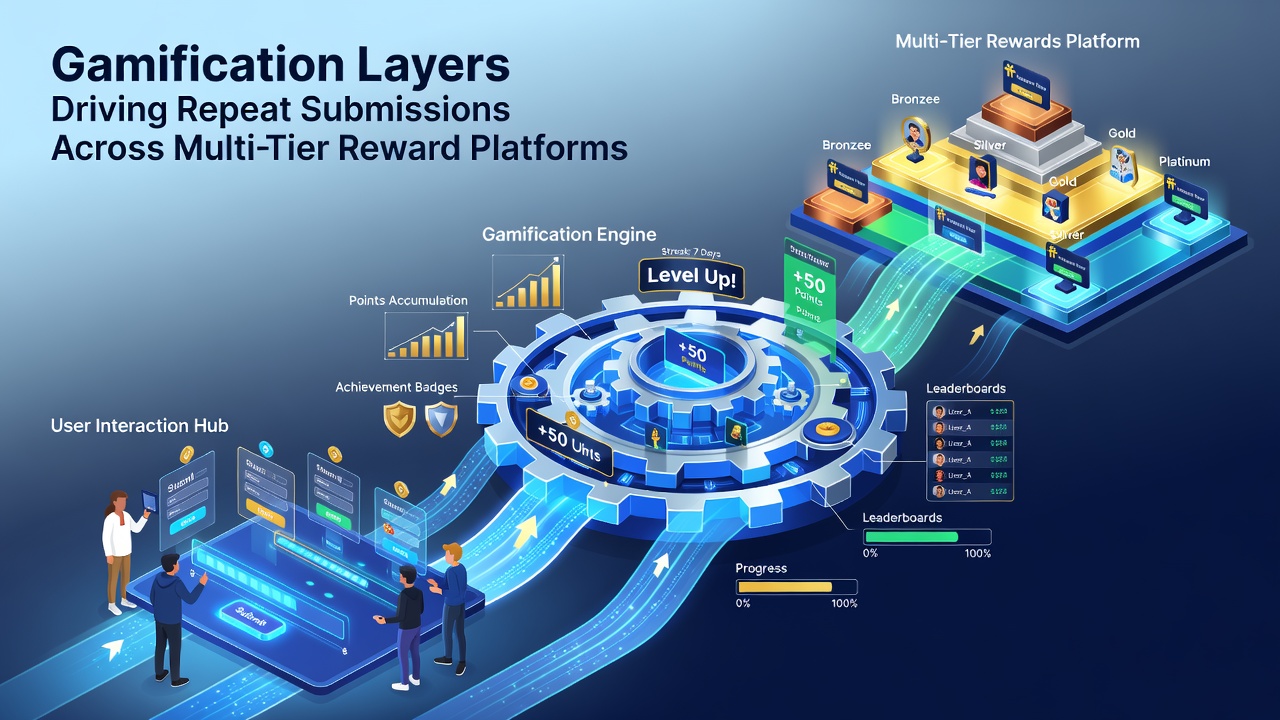
Multi-tier reward platforms incorporate gamification layers such as points accumulation, badge systems, leaderboard rankings, and progressive tier advancements that encourage users to submit entries repeatedly, and these mechanisms operate across digital applications in loyalty programs, contest platforms, and consumer engagement systems. Researchers at institutions like the University of Melbourne have documented how these layers create feedback loops where initial submissions unlock visible progress indicators that prompt additional actions within the same session or across days.
Core Components of Gamification Layers
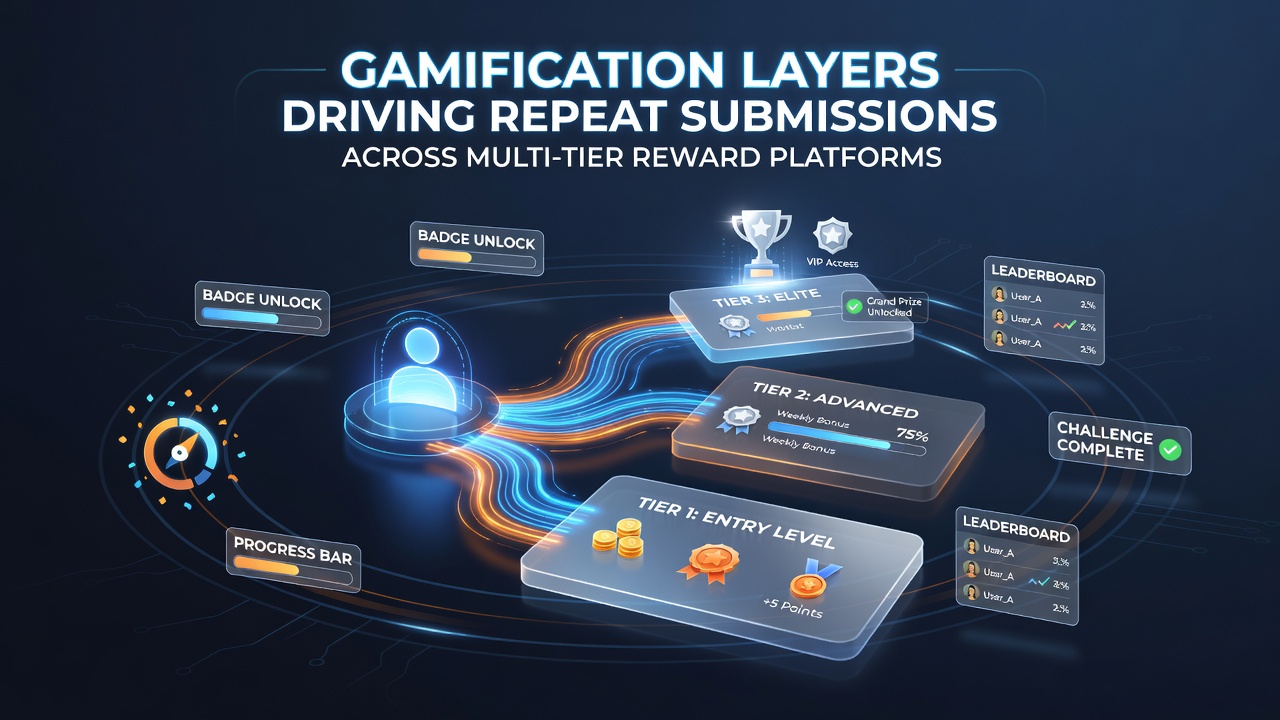
Points systems form the foundation where each submission generates quantifiable rewards that accumulate toward higher milestones, while badge awards recognize specific behaviors such as consecutive daily entries or volume thresholds. Leaderboards display comparative standings among participants, and tiered structures unlock escalating benefits like priority notifications or multiplier effects on future submissions. Data from industry reports indicate that platforms combining at least three of these layers see submission rates increase by measurable margins compared to single-layer setups.
Multi-tier designs segment users into categories such as bronze, silver, and gold based on cumulative activity, and progression between tiers requires sustained submissions that reset or carry over depending on platform rules. Observers note that this segmentation allows platforms to tailor challenges differently per tier, for instance granting gold members access to exclusive entry windows while bronze users receive basic streak bonuses.
Mechanisms Driving Repeat Submissions
Visual progress bars and real-time notifications alert participants when they approach the next tier threshold, and this immediate feedback correlates with higher return rates as users seek to complete unfinished progress. Studies from Canadian research centers reveal that platforms integrating streak multipliers experience submission spikes on days when users near streak completion milestones. Tier benefits often include reduced entry friction such as pre-filled forms or auto-submission options that lower barriers for subsequent actions.
External incentives like bonus entries for tier maintenance further compound engagement, and cross-platform integrations allow progress to sync across mobile and desktop interfaces. In September 2026 several major reward platforms plan synchronized updates that introduce shared tier ecosystems between partner services, a development expected to link submission histories across multiple applications.
Platform Examples and Implementation Patterns
One retail loyalty application uses a three-tier model where submissions for product reviews accumulate points that advance users through levels offering increasing discount percentages on future purchases, and similar structures appear in travel reward programs that track flight or hotel bookings. Gaming-adjacent reward platforms apply leaderboards that reset weekly while preserving tier status, creating both short-term competition and long-term retention incentives. Figures from European consumer engagement analyses show that platforms with visible social comparison features sustain higher repeat rates than those relying solely on individual progress tracking.
Technical implementations often involve server-side tracking of submission timestamps and user identifiers to prevent abuse while maintaining seamless layer progression, and these systems adjust difficulty curves dynamically based on aggregate user behavior data. Observers have recorded cases where platforms introduced limited-time tier challenges that temporarily boosted submission volumes by double-digit percentages during promotional windows.
Measurement and Outcome Data
Analytics tools embedded in these platforms track metrics such as submission frequency per user, time between submissions, and tier advancement speed, and aggregated reports indicate that users who reach the second tier within the first week demonstrate retention rates substantially above baseline. Research published through academic channels in Australia highlights correlations between badge variety and reduced churn in multi-tier environments, where participants pursue collection goals alongside point totals.
Cross-regional comparisons show variations in layer effectiveness, with some markets responding more strongly to competitive leaderboards while others favor collaborative milestone achievements. Regulatory frameworks in multiple jurisdictions require transparent disclosure of how tier benefits influence entry probabilities, and compliance documentation often references these gamification elements directly.
Conclusion
Gamification layers in multi-tier reward platforms establish structured pathways that convert single submissions into repeated interactions through progressive rewards and status indicators, and ongoing platform developments scheduled around September 2026 continue to refine these systems with enhanced synchronization features. Evidence from diverse research sources demonstrates measurable impacts on submission patterns across varied implementation contexts.