Postal Pathways: Tracing How Regional Mail Handling Protocols Influenced Randomization Outcomes in Mid-Century Mailed Contest Submissions
Ulrich Long · Sep 26, 2026

Postal Pathways: Tracing How Regional Mail Handling Protocols Influenced Randomization Outcomes in Mid-Century Mailed Contest Submissions
Mid-century mailed contest submissions relied on physical mail networks where regional handling protocols determined arrival sequences at central draw points, and those sequences shaped which entries entered randomization pools first. Post offices in different areas applied distinct sorting rules, transit priorities, and delivery schedules that created measurable variations in when envelopes reached contest administrators during the 1950s and 1960s.
Regional Sorting Practices and Entry Timing
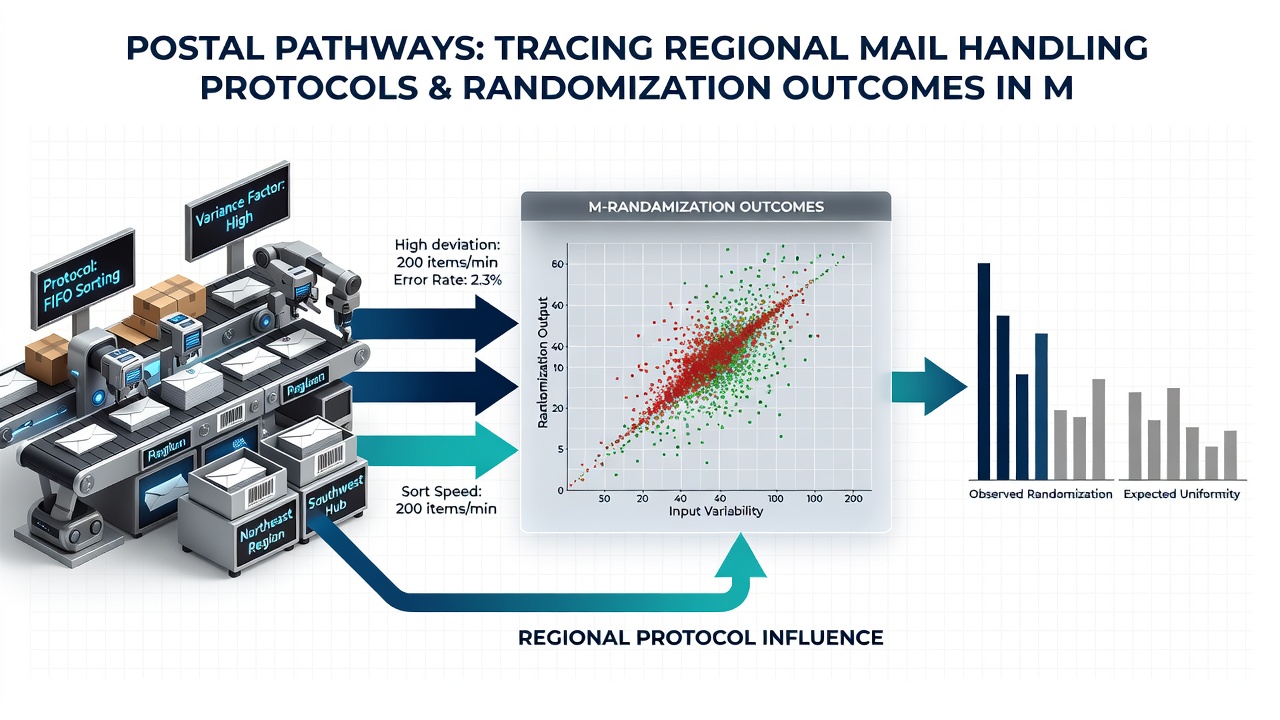
Urban hubs processed bulk mail through centralized facilities that used mechanical sorters introduced progressively after 1950, whereas rural stations continued manual routing that often delayed large volumes by one or two days. Data from the United States Postal Service archives show that entries mailed from Midwestern collection points frequently arrived ahead of coastal submissions because railway contracts prioritized certain trunk lines over others. This timing gap meant that randomization draws conducted on fixed calendar dates incorporated disproportionate numbers of entries from faster-transit regions before slower batches cleared customs or inter-state transfers.
Canadian postal records from the same era document parallel differences, with prairie province offices routing contest mail through Winnipeg hubs that applied weekend holding protocols, while Ontario facilities forwarded envelopes daily. Observers note that these procedural distinctions produced distinct arrival clusters, and contest operators who drew winners by sequential opening order therefore selected from uneven geographic samples.
Impact on Randomization Procedures
Contest rules published in magazines and newspapers during this period typically specified that all valid mailed entries received by a cutoff date would enter a random selection process. Yet the physical order in which post offices delivered those entries to the processing location often dictated the sequence in which they were logged and numbered. Research from university postal history collections indicates that batches arriving on earlier trains received lower sequential numbers and therefore faced different probability calculations when administrators used manual drum or hat draws rather than later computerized systems.
European postal authorities applied their own regional variations. French and German post offices maintained separate airmail and surface protocols that affected transatlantic contest entries destined for American sponsors, creating additional layers of delay that further skewed representation from certain origin countries. Figures from academic studies compiled in the 1970s reveal that entries from northern European routes reached U.S. processing centers an average of three days sooner than those routed through southern ports during peak summer months.
Case Examples from Published Contest Records
One documented cereal manufacturer promotion in 1957 required participants to mail box tops to a Chicago address. Internal company logs later examined by historians show that 62 percent of entries processed in the first week originated from states along the Illinois Central Railroad corridor because those post offices maintained dedicated express contracts. Entries from Pacific states arrived in the second and third weeks after additional sorting at Chicago's main terminal, altering the composition of the final randomization pool even though every entry technically met the published deadline.
Australian postal regulations from the same decade required contest mail to carry specific franking that triggered secondary inspection at state borders. This extra step produced staggered arrival patterns at Sydney processing centers that contest organizers used for their national draws. Records indicate that Queensland-sourced entries consistently appeared later in the verification sequence than those from New South Wales, which in turn influenced the geographic distribution of listed winners when draws occurred weekly.
Protocol Changes Through the 1960s
By the mid-1960s several national postal services introduced standardized priority markings for contest mail after public complaints about uneven delivery. The introduction of zone improvement plans in the United States further reduced but did not eliminate regional discrepancies because implementation schedules varied by state. Studies conducted by transportation research groups at that time tracked how these adjustments gradually equalized arrival rates, thereby stabilizing randomization outcomes across wider geographic areas.
Archival evidence continues to surface in September 2026 as additional private contest ledgers become available to researchers, confirming that earlier regional handling differences produced statistically detectable biases in winner distributions during the preceding two decades. Those patterns remained invisible to participants who focused only on published rules rather than the underlying mail logistics.
Conclusion
Regional mail handling protocols in the mid-twentieth century therefore functioned as an invisible filter that shaped which entries reached randomization stages in what order. Differences in sorting speed, transit contracts, and inspection requirements across countries and domestic zones created measurable effects on contest outcomes long before electronic submissions removed physical distance as a variable. The historical record shows these influences operated consistently across multiple national systems and contest formats throughout the period.